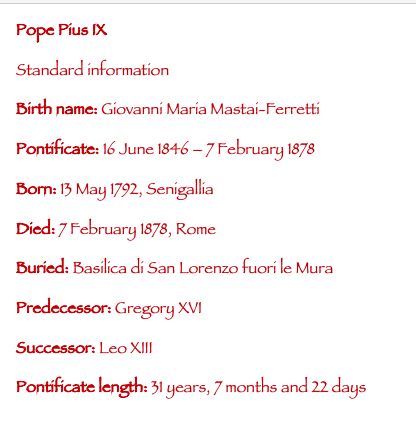
Timeline • 1792 — Born • 1846 — Elected Pope • 1854 — Immaculate Conception • 1856 — Feast of the Sacred Heart for the entire Church • 1864 — Syllabus Errorum • 1869 — First Vatican Council • 1870 — Papal infallibility • 1870 — Loss of Rome • 1878 — Death
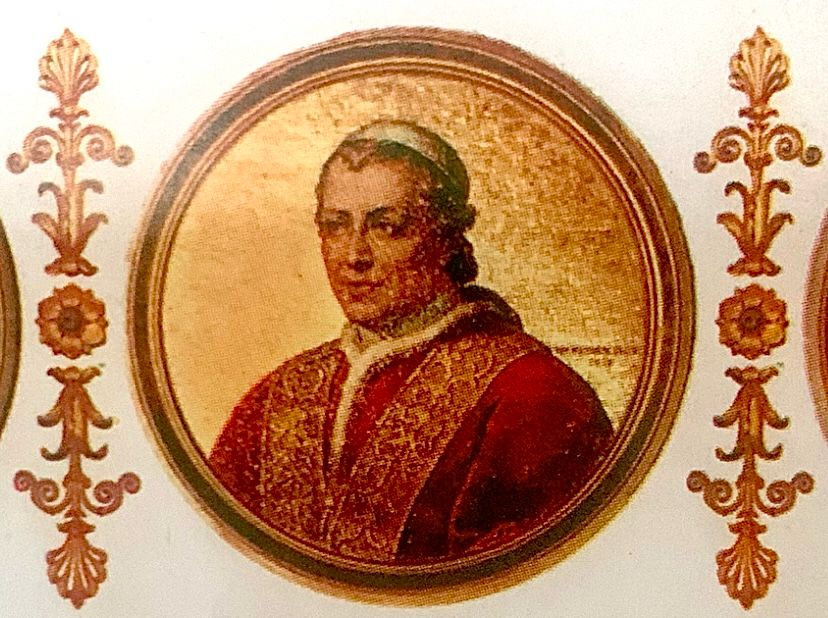
Pope Pius IX
Councils First Vatican Council (1869–1870) Most important decisions: • Papal infallibility (ex cathedra) • Strengthening of papal authority
Major documents Ineffabilis Deus (1854) Dogmatic definition of the Immaculate Conception. Quanta Cura (1864) A warning against various modern movements and ideologies. Syllabus Errorum (1864) A list of ideas considered erroneous by the Church at that time.
Major events • Proclaimed the dogma of the Immaculate Conception of Mary in 1854. • Convened the First Vatican Council. • Confirmed the dogma of papal infallibility in 1870. • Made the Feast of the Sacred Heart official for the entire Latin Church. • Witnessed the end of the Papal States in 1870 when Rome was taken by the Kingdom of Italy.
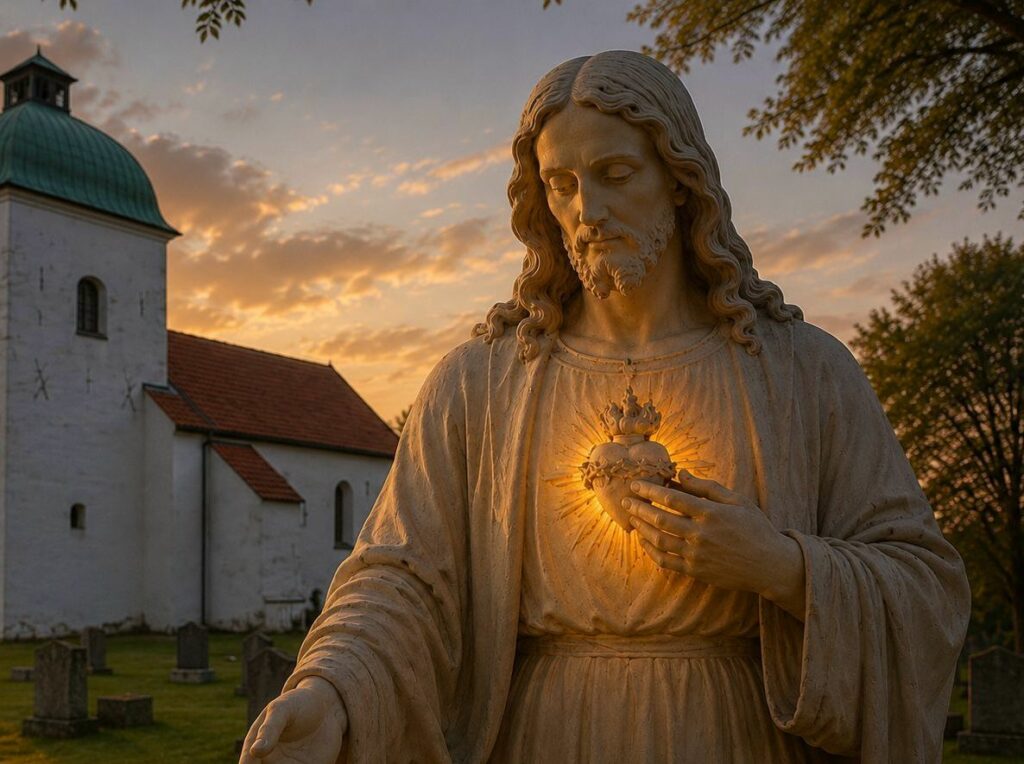
Significance for the Sacred Heart For your Sacred Heart card, this is probably the most important aspect: In 1856, Pope Pius IX extended the Feast of the Sacred Heart of Jesus to the entire Roman Catholic Church. As a result, a devotion that had previously been celebrated mainly on a local level became a universal feast for all Catholics.
Why is this Pope important? Pius IX was the longest-reigning pope of the modern era. His pontificate took place during a period of major political and social change. While the Church lost its temporal power, he strengthened its spiritual and doctrinal foundations. For devotion to the Sacred Heart of Jesus, he is especially significant because he introduced the feast to the entire Church in 1856.
Special 1) The longest-reigning pope of the modern era. 31 years and 236 days. 16 June 1846 – 7 February 1878.
2) The first pope to be photographed He lived from 1792 to 1878 and served as pope from 1846 to 1878. This was precisely the period in which photography emerged. The first practical photographic processes appeared around 1839, and during his long pontificate an increasing number of photographs were taken. This means that your medallion of Pius IX stands exactly at the transition: • All popes before him are known to us only through paintings, frescoes, coins, medallions and drawings. • Of Pius IX, we have both paintings and genuine photographs. • Beginning with his successor, Leo XIII, it becomes even more remarkable: we have not only photographs of him, but also moving film footage. 3) Statue of Pope Pius IX in Oudenbosch – The Netherlands