

THE CROSS OF THE TEMPLARIES. THE EIGHT IS CORRECT.
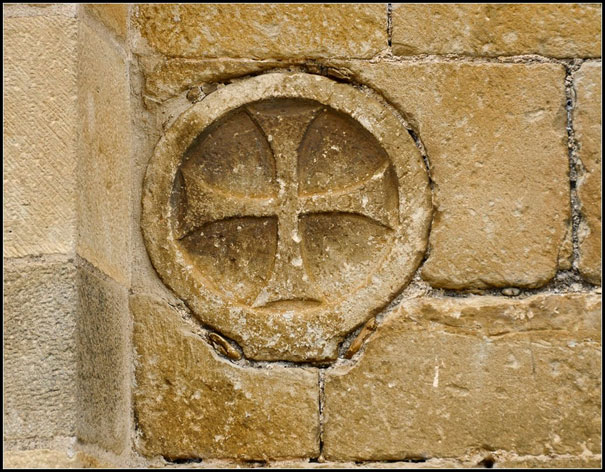
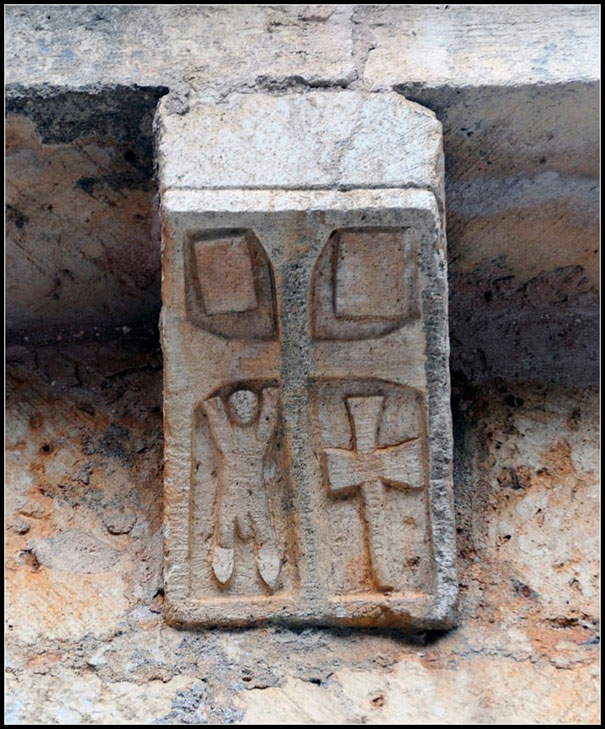
The kicked cross (from French croix pattée means cross with legs), tempelar cross, pâtéa cross is that cross whose arms are narrow when reaching the center and widen at the ends. Its name comes from the arms of this cross type resembling legs.
The pâté cross is associated with the Order of the Poor Companions of Christ and the Temple of Solomon (Latin: Pauperes Commilitones Christi Templique Salomonici), also called the Order of the Temple, to which Pope Eugenius III gave the right to wear the cross permanently on April 24, 1147; simple cross, but anchored or pâté, symbolizes the martyrdom of Christ; red, because red was the symbol of the shed blood of Christ, but also of life. The cross was placed on his cloak over his left shoulder, above his heart. “
Also known as the Cross of the 8 zalitudes, this is one of the most enigmatic secrets of the Knights Templar. The Cross consists of four equal arms and eight tips. The arms represent the four cardinal points, the four seasons and the four evangelists.
The main purpose of cross geometry is to invite meditation. But as for the 8 zalitudes, the Cross that identifies the Knights Templar has a deeper meaning and is as follows:
Have spiritual happiness.
Live without malice.
Weep the sins.
Humble yourself to be offended.
Love of justice.
Show mercy.
Sincerity and pure heart
Patiently endure persecution.