


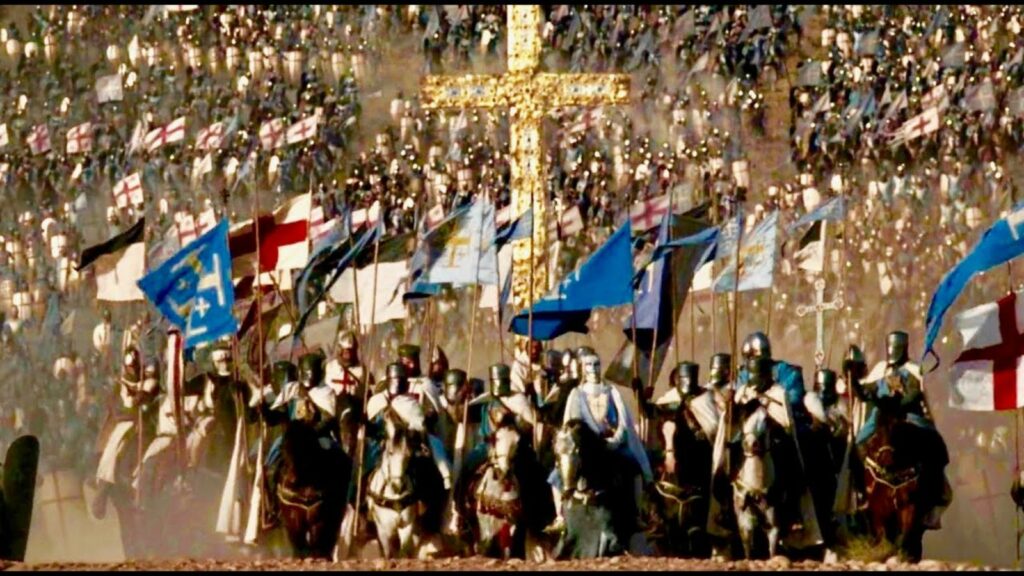
Relics have held a special place within Christianity for centuries. They are objects or bodily remains connected with Christ, Biblical figures, saints, or important events in the history of faith.
In the image above you see the True Cross. The True Cross was so important that parts of it were carried into battle. For the Crusaders and Templars it was not only a relic, but also a sign of faith, protection and God’s presence. Priests and Bishops also accompanied the army into the field. They celebrated Mass, heard confessions, encouraged the warriors and watched over the holy relics. Some relics refer directly to the life and suffering of Christ. Others are connected with saints, martyrs, churches, pilgrimage sites or centuries-old traditions. Over the centuries, countless relics have been venerated, preserved, moved and sometimes disputed.
RELICS – TOMO I deals with the eight central and most significant relics from the Christian tradition. These are objects that have acquired a central place in the Bible, tradition, the Crusades, pilgrimage, royal power and Church history.
RELICS – TOMO II continues where TOMO I ends. It deals with the many other relics: relics of saints, bodily relics, garments, contact relics, local relics and the countless objects that have acquired a place of veneration over the centuries.
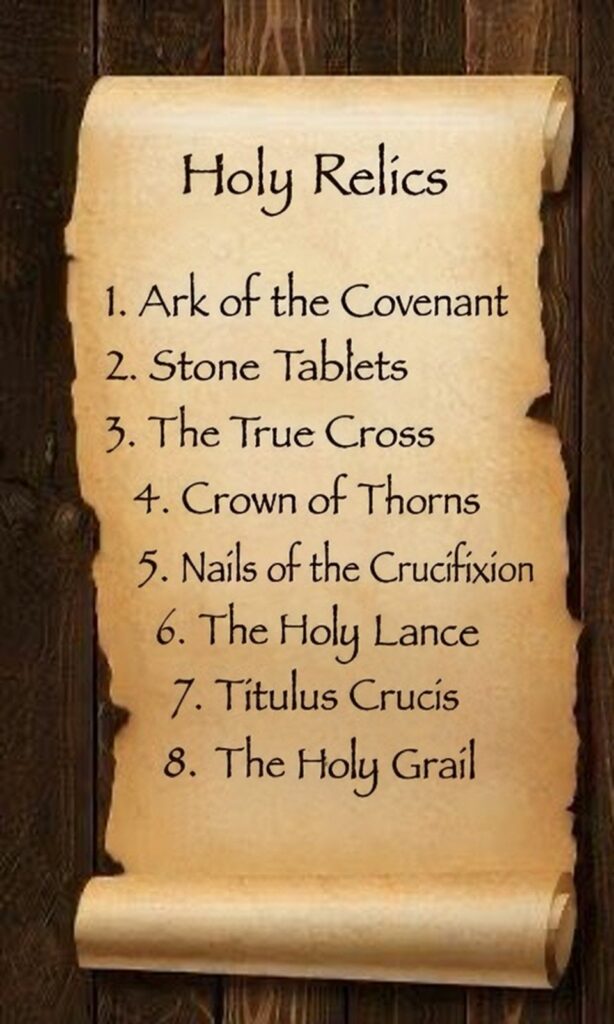
The eight relics of TOMO I
The Ark of the Covenant The holy ark in which, according to Biblical tradition, the stone tablets were kept, among other things.
The Stone Tablets The tablets on which Moses received the Ten Commandments.
The True Cross The cross on which, according to Christian tradition, Christ was crucified.
The Crown of Thorns The crown of thorns placed on Christ during His Passion.
The Nails of the Crucifixion The nails with which, according to tradition, Christ was fastened to the cross.
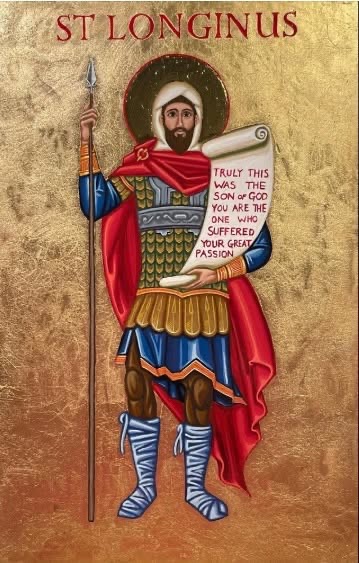
The Holy Lance The lance with which the side of Christ was pierced after His death; later also known as the Lance of Longinus.
The Titulus Crucis The plaque bearing the inscription above the cross of Christ: Jesus of Nazareth, King of the Jews.
The Holy Grail The chalice that in later Christian traditions became associated with the Last Supper and with the blood of Christ.
In TOMO I we follow not only the religious significance of these relics, but also their history, tradition, movements and the influence they have had throughout the centuries.
No. 6: the Lance of Longinus
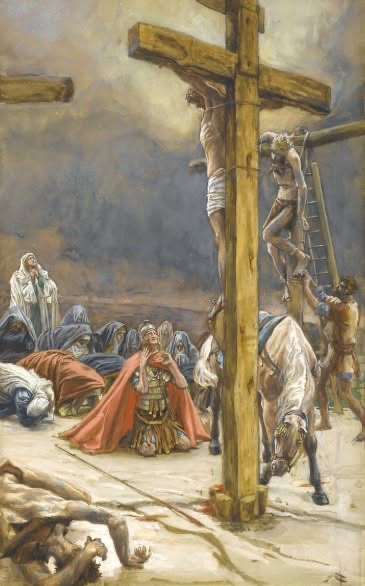
Also known as the Spear of Destiny, a relic of extraordinary power and significance. The Roman soldier Longinus pierced Jesus in His side with his lance during the crucifixion. And, as with every relic, there are several stories surrounding it.
Why did the Roman soldier Longinus pierce Jesus with his lance? One story says: to make absolutely sure that Jesus was dead. Another story says it was to see whether He would still react.
Yet another story says that it was precisely to kill Jesus — gruesome, but also merciful. A crucifixion can last up to 3 days before death occurs, a true death of torment. By piercing/killing Him with the spear, he therefore released Jesus from His death struggle, from His suffering.
Jesus was crucified at 09:00 in the morning (the third hour). Three hours later darkness fell everywhere, until 15:00 in the afternoon (the ninth hour) — when Jesus died.
On 14 September 326 Saint Helena, the mother of Emperor Constantine the Great (yes, the one of In Hoc Signo Vinces), finds in Jerusalem the True Cross, the nails of the crucifixion and the Titulus Crucis (the INRI plaque).
Later she has the Church of the Holy Sepulchre built on the exact place of the discovery. It was consecrated in 335.
In later traditions, the discovery of the lance is also attributed to her. Pilgrims described having seen a holy lance in the Church of the Holy Sepulchre, and by 614 AD this relic had become so important that it was seized by the Sasanian Persians who conquered Jerusalem.
By the end of the 11th century, it was believed that the Spear of Destiny guaranteed victory and legitimised rulers. Against this background, the events of the First Crusade unfolded, when an alleged Holy Lance dramatically appeared on the battlefield.
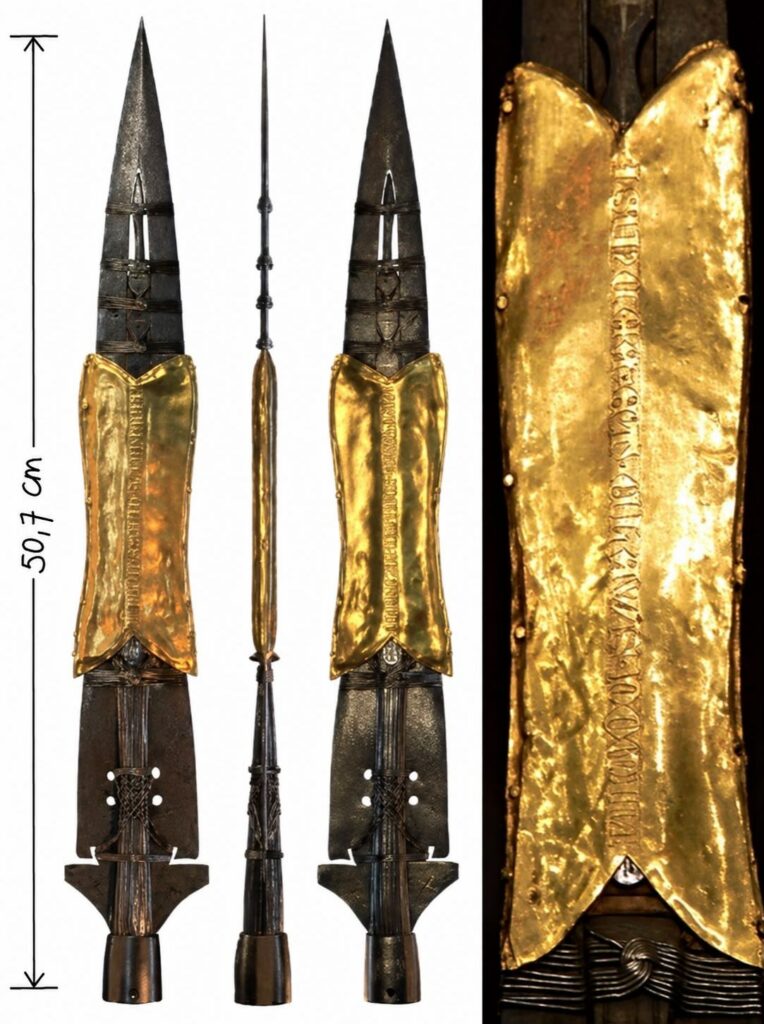
👈🏻 The Holy Lance in the Imperial Treasury at the Hofburg Palace, Vienna, Austria
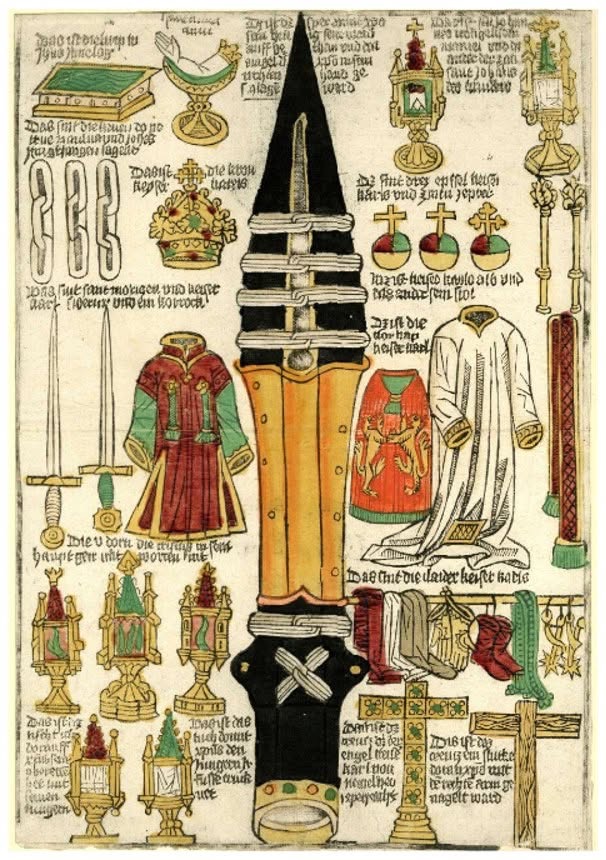
👉🏻 Incunable with a hand-coloured woodcut from Nuremberg, dating from around 1470–1480, showing the relics and vestments of the Holy Roman Empire, with the Holy Lance in the centre
The First Crusade began in 1096. When the Crusaders (there were no Templars yet!) had passed Constantinople, they besieged Antioch for months. Their rations had long since run low and hunger prevailed. They captured the city on 3 June 1098, after which disaster struck. A large Muslim force led by Atabeg Kerbogha of Mosul then besieged the Crusaders in the city of Antioch. After so many trials, hunger, disease and with defeat looming, morale was at rock bottom.
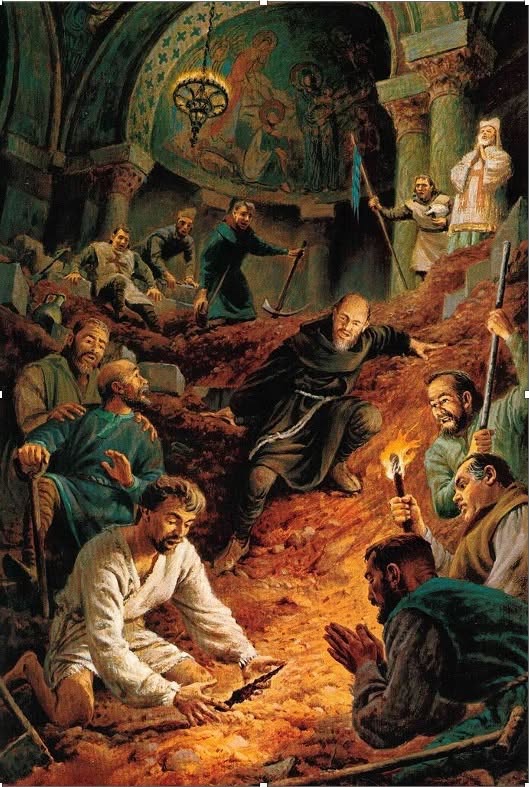
In this desperate situation, when all seemed lost, a foot soldier, Peter Bartholomew, received a vision of Saint Andrew. Andrew had shown him the location of the Holy Spear. And it lay… buried in the city of Antioch — in Saint Peter’s Cathedral. Saint Andrew had promised Peter that if the lance were found and carried with them, they would never be defeated. Soldier Peter Bartholomew told this to the commander Count Raymond and to Bishop Adhemar. On 15 June 1098, thirteen men removed the stone floor near the altar in the cathedral in the morning. Many hours of digging passed without any sign of the lance. Many left disappointed and discouraged…….. Soldier Peter, dressed only in his shirt and barefoot, continued digging with his own hands. Determined to fulfil his vision. Awe, euphoria and immense joy swept over those present…. he had found the Holy Spear!
By Divine Providence, the spear that had pierced Christ, their Lord, had come into their hands. With this renewed courage and strength, on 28 June 1098 they made a second sortie from the city.
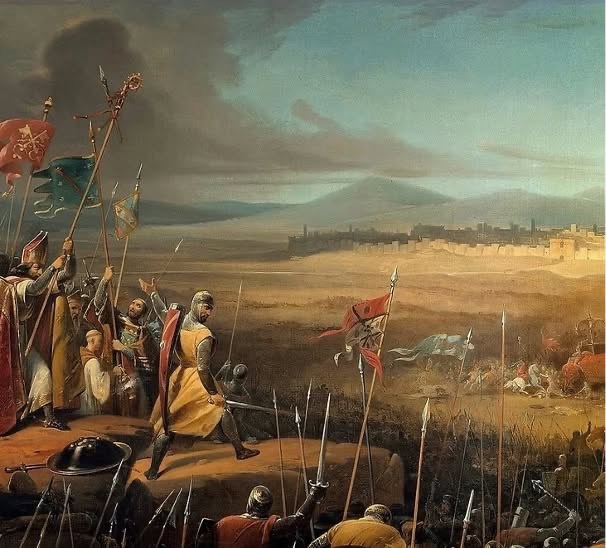
Even then, it did not happen without a struggle. The Turks had set fire to the dry grass where the Christians had made their camp. The wind drove the fire and smoke into their eyes, blinding them. But then God turned the victory in favour of the Christians and they inflicted damage on General Kerbogha’s Muslim army. The attack was so fierce that they fled.
After this victory Count Raymond kept the lance until after 1099 — after the conquest of Jerusalem. After that, it disappeared from the history of the Crusaders.
In 1242, the French king Louis IX, Saint Louis, is said to have bought a collection of Holy relics from the Latin emperors, who needed money. The Holy Lance (or a part of it) was included, together with the Crown of Thorns. During the French Revolution, the relic disappeared again.
Eventually — once again in Constantinople — the capital fell into the hands of the Ottomans. As a result, the Holy relics also fell into their hands, including the Holy Lance, which appears there again. It is also said, however, that it was a duplicate. In 1492 the Ottoman sultan Bayezid II sent the Lance to Pope Innocent VIII as a gesture of goodwill. He kept the Lance in Saint Peter’s, where it still remains. Although the Vatican does not claim that this is the true Lance of Longinus.
Over the centuries, more and more “true Lances” appeared.
The Holy Lance occupies an exceptional place within the Christian tradition of relics. Whereas the True Cross is inseparably connected with the sacrifice and suffering of Christ, and the Holy Grail in later traditions symbolises communion, covenant and inner devotion, the Lance represents another dimension: that of power, judgement and legitimation. It is not a relic of comfort, but of confrontation.
Precisely for that reason, throughout the centuries the Lance was not only venerated, but also coveted. It was claimed by emperors, kings and armies, each time in periods of crisis and shifts of power.
The Lance embodied the idea that victory, authority and divine approval coincided.
Only those who lived in the light of God received their victory through it.